
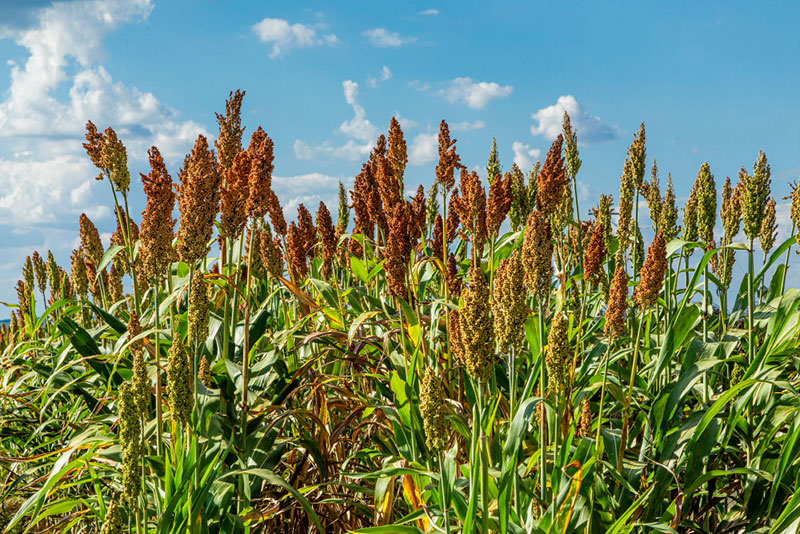
Sorghum/SSG hybrids are among the most important forage crops in India, especially for dairy farmers seeking high biomass and nutritious green fodder. With proper agronomic practices, these crops can significantly improve livestock productivity and farm profitability.
This guide covers a complete package of practices for both single-cut and multi-cut sorghum/SSG varieties.
Climate and Soil Requirements
Sorghum and SSG are warm-season crops that perform best under:
- Temperature: 25°C to 35°C
- Rainfall: 400–600 mm (well-distributed)
- Soil: Well-drained loamy to sandy loam soils
- pH Range:0 to 8.5
They are drought-tolerant and suitable for semi-arid regions, making them ideal for North Indian conditions.
Land Preparation
- Plough the field 2–3 times to achieve fine tilth
- Remove weeds and crop residues
- Level the field for proper irrigation distribution
- Incorporate 10–15 tons of FYM (Farmyard Manure) per hectare before sowing
Sowing Time
Season Sowing Window
Kharif June to July
Summer February to March
Spring (limited areas) January end to February
Timely sowing ensures better growth and higher yield.
Seed Rate and Spacing
Single-Cut Varieties
- Seed Rate: 40–50 kg/ha
- Spacing: 25–30 cm between rows
Multi-Cut
- Seed Rate: 20–25 kg/ha
- Spacing: 30–40 cm between rows
Seed Treatment
To protect against diseases and ensure healthy growth:
- Treat seeds with Thiram or Carbendazim @ 2–3 g/kg seed
- For better root development, biofertilizers like Azospirillum can be used
Fertilizer Management
Basal Dose (at sowing)
- Nitrogen (N): 40–50 kg/ha
- Phosphorus (P₂O₅): 20–30 kg/ha
Top Dressing
Single-Cut
- Apply remaining 40–50 kg Nitrogen/ha at 25–30 DAS
Multi-Cut
- Apply 30–40 kg Nitrogen/ha after each cut
Balanced fertilization ensures higher biomass and better fodder quality.
Irrigation Management
- First irrigation immediately after sowing
- Subsequent irrigations at 7–10 day intervals (summer) and 10–15 days (kharif)
- Critical stages:
- Germination
- Tillering
- Post-cut regrowth (multi-cut varieties)
Avoid waterlogging as it can damage roots.
Weed Management
- Keep the field weed-free for the first 30–40 days
- One or two manual weedings are sufficient
- Pre-emergence herbicide (optional):
- Atrazine @ 0.5–1.0 kg/ha
Weed control improves nutrient availability and crop growth.
Harvesting Management
Single-Cut Sorghum
- Harvest at 50% flowering stage (60–75 days)
- Ensures optimal yield and nutritive value
Multi-Cut Sorghum/SSG
- First cut: 45–50 days after sowing
- Subsequent cuts: Every 25–30 days
- Maintain cutting height of 8–10 cm above ground for regrowth
Nutritional Benefits
- Rich in carbohydrates and fiber
- Moderate protein content (8–10%)
- Excellent for cattle, buffalo, and sheep
- Multi-cut varieties ensure continuous fodder supply
Important Precautions
- Avoid harvesting young crop (below 40 days) due to HCN toxicity risk
- Do not allow water stagnation
- Ensure proper nitrogen management to avoid excess nitrate accumulation
- Always feed chopped fodder for better digestibility
Fodder sorghum and SSG are highly efficient crops for ensuring year-round green fodder availability. By following the recommended package of practices, farmers can maximize yield, improve fodder quality, and enhance livestock productivity.
At Surya Seeds and Chemicals, we are committed to providing high-quality seeds and agronomic support to help farmers achieve better results and sustainable growth.